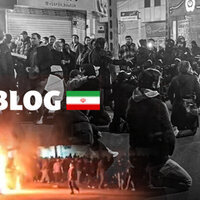



The UNs top human rights official warned on Wednesday that Iranians rights are being eroded in harsh and brutal ways, citing a surge in executions, mass arrests and alleged abuses amid a widening crackdown on dissent during the ongoing conflict.
Senior UN climate leaders are getting behind countries mobilising this week for a transition away from fossil fuels at a groundbreaking event in Colombia.
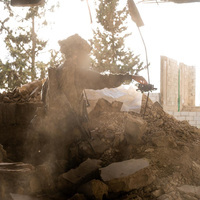
Desperate and dangerous conditions in Gaza continue to hamper recovery efforts for the wartorn enclave's people, the UN health agency said on Friday, while demining experts warned that theyve barely scratched the surface in assessing the level of contamination of unexploded ordnance.
Volker Trk, the UN High Commissioner for Human Rights,saidhe was appalled that on top of the already severe impacts of the conflict the rights of the Iranian people continue to be stripped from them.
At least 21 people have been executed and more than 4,000 arrestedon national security-related charges since late February, according to human rights office,OHCHR. Those executed include individuals linked to protests, alleged opposition group members and people accused of espionage.
Mr. Trk stressed that even during wartime, fundamental protections must be upheld.
In times of war, threats to human rights increase exponentially,he said, adding that core rights such as protection against arbitrary detention and the right to a fair trial must be respected absolutely, at all times.
Halt executions, ensure due process
The High Commissioner called on authorities to halt all further executions, establish a moratorium on the use of capital punishment, fully ensure due process and fair trial guarantees, and immediately release those arbitrarily detained.
OHCHR warned that Irans broad use of national security charges has placed many individuals including children at risk.
Reports of torture, coerced confessions and denial of legal representation have raised serious concerns about due process.
Detainees are also facing harsh conditions, with overcrowding, shortages of basic supplies and limited access to medical care. Thehealth of imprisoned Nobel laureate Narges Mohammadi is reportedly deteriorating, while other detainees have died in custody under circumstances suggesting possible torture.
Internet shutdowns
Authorities have also imposed one of the worlds longest internet shutdowns, cutting off access now for 61 days, making it one of the longest and most severe shutdowns ever recorded.
This is denying people across the country access to vital information, silencing independent voices, and inflicting enormous social and economic harm,Mr. Trk said.
It is exacerbating an already precarious humanitarian and economic situation and must be lifted immediately.
WFP/Mustapha Ghabris
Displaced families at a shelter in Beirut, Lebanon. (file)
Children in Lebanon caught in crisis
The human toll of conflict is also evident elsewhere in the region. In Lebanon, children continue to bear the brunt of instability and displacement, according to the UN Childrens Fund (UNICEF) on Wednesday.
The agency warned that children with disabilities face heightened risks during crises, noting that more than 38,000 people are receiving support through a national disability assistance programme backed by partners.
Among them are 12,000 families including 17,500 children who have received urgent cash assistance.
Children in Lebanon need more than a pause in hostilities,UNICEF said.They need stability, protection, and the chance to keep growing, learning and dreaming.