

Syrians trying to rebuild their lives in their war-torn country urgently need the support of the rest of the world to help them start again, UN aid agencies insist.
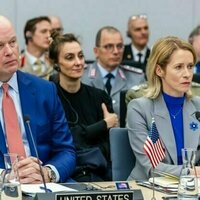
Two families one still waiting for answers 75 years after a father was taken during the Korean War, the other pleading for a sons return from captivity in Gaza shared their testimonies before the UN Security Council on Thursday.
TheUN Special Envoy for Syria, Geir Pedersen,voiced deep concernon Wednesday over the recent surge in violence across Syria, particularly in the suburbs of Damascus and in Homs.
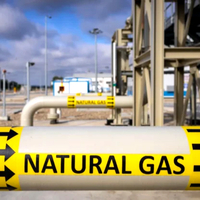
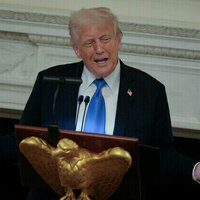
Hopes rose last week in Damascus when fuel prices dropped instantly following Donald Trumps move to end punitive sanctions.
But after more than 13 years of civil war that ended with the fall of the Assad regime last December, ordinary Syrians face an exhausting list of other problems.
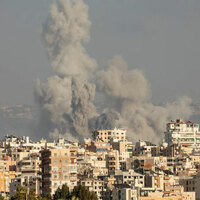
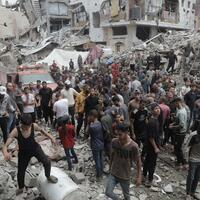
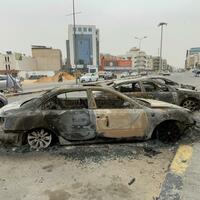
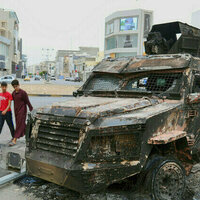
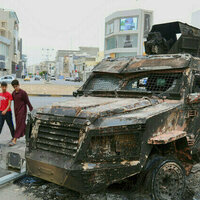
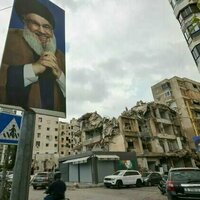
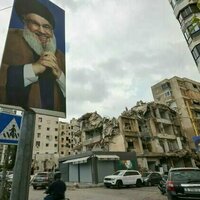
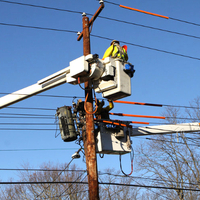
These include an absence of housing - caused by bomb damage on a scale with Gaza - unreliable access to electricity, clean water, healthcare and work.
Refugee agency call
Since last December, half a million Syrians have returned home, many for the first time since the war began, according to the UN refugee agency,UNHCR.
We must ensure that people who return can stay and thrive: that is also why the lifting of sanctions is crucial, as reconstruction is urgently needed,saidHigh Commissioner Filippo Grandi, in an online message.
Today, transitional authorities govern Syria under President Ahmad al-Sharaa.
Destroyed at all levels
But the once-prosperous country remains scarred the infrastructure in Syria is almost completely destroyed at all levels, said Hail Khalaf, Officer-in-Charge for Syria at the UN International Organization for Migration (IOM).
Mr. Khalaf, who spoke to from the capital Damascus where electricity only comes on for four hours a day, confirmed that the protracted war had impacted Syrian society in its entirety not least education.
The impact of the removal of US sanctions on Syria was observed very quickly on the daily lives of Syrians, he said. There was an instant drop in fuel prices in Syria the moment the removal of sanctions was announced.
We hope that the American government will expedite the removal of the Caesar Act, he stressed, referring to the sanctions package against the former Syrian Government signed into law by the first Trump administration in 2019.
Dilapidated economy
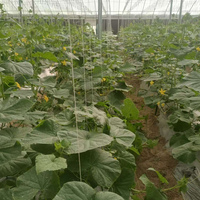
Those returning to Syria and looking for a job in the agricultural sector in particular areconfronted with an industry in shambles, IOM said in areport.
Farmers make up the great majority of those who were internally displaced by the fighting to camps. Most 88 per cent say they cannot work the soil again, as most farms are either operating at half-capacity or unable to function at all, according to IOMsDisplacement Tracking Matrix.
The country is exhausted, and the economy is also exhausted, explained Mr. Khalaf.
Today, more than 90 per cent of Syrias population lives below the poverty lineas of December 2024, according toUNHCRdata.
The war uprooted around 7.4 million people inside Syria and at least six million are refugees, mainly in neighboring countries including Trkiye, Lebanon and Jordan, the UN agency noted.
Working at a loss
The national currency the Syrian lira has been exponentially devalued by the conflict.
Before the war, one US dollar was equivalent to 50 Syrian lira. Today it is worth about 9,000 Syrian lira leaving livelihoods in disarray.
Most Syrians do not earn enough, Mr. Khalaf explained. In the public sector, most employees earn approximately $35 to $40 a month, which is not even enough for transportation between work and home.
Missing paper trail
Gaps in civil documentation also complicate people's ability to claim housing and land rights.
Damaged public infrastructure has also fuelled outbreaks of waterborne diseases, vaccine-preventable illnesses and malnutrition, aid teams have warned.
Syrians are resilient and innovative, but they need significant help to rebuild their communities and their lives, insisted IOM Director General Amy Pope.
In a bid to help, UN agencies including IOM are working with the Syrian Government to find a formula for action and sustainable solutions for all returnees so that they can rebuild their lives again.