

Huzeir Ezekiel Dzulhisham
Download PDF
Mar 10 2025
1
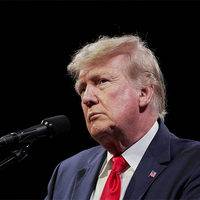
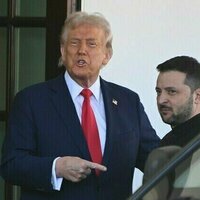
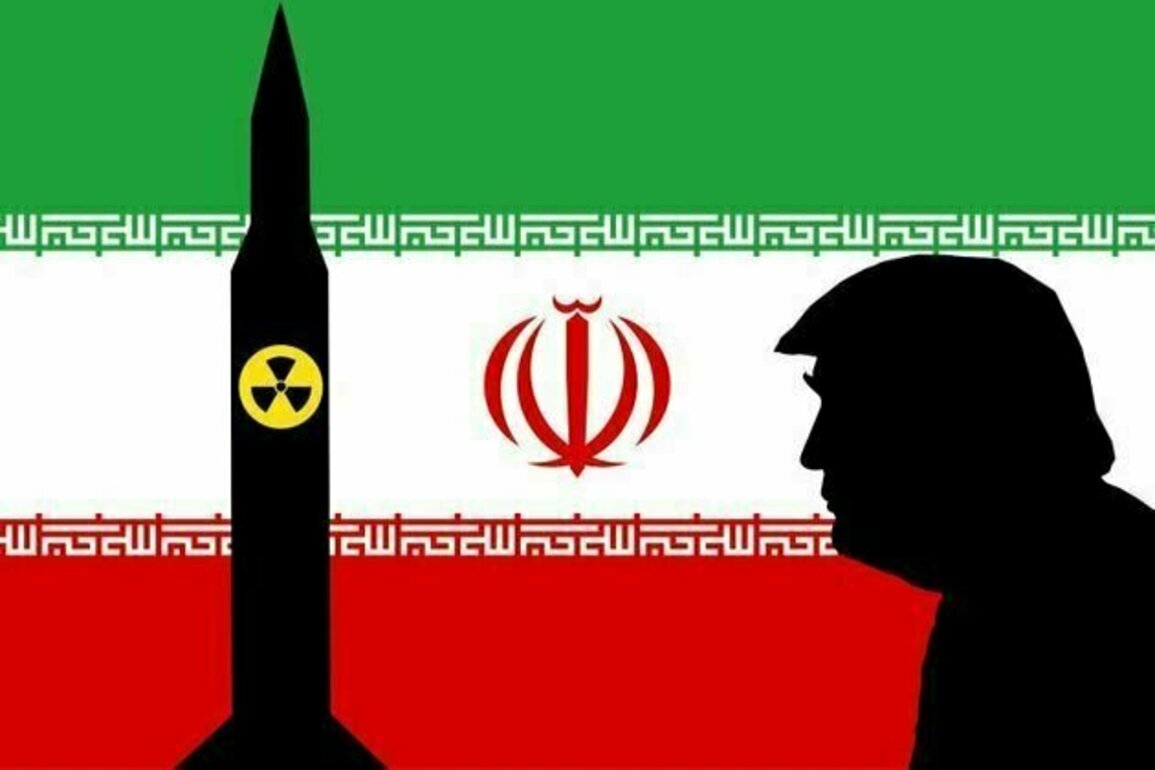
viewsamagnawa1092/ShutterstockDonald Trumpsre-impositionof maximum pressure on Iran, on February 4th 2025, and his alleged ultimatumletterto the Iranian government, has ignited concerns about rising Middle East tensions. Yet, the US faces an Iran that haspast experienceof the first Trump administration, and therefore can anticipate Trumps policies. Irans Trump-proofing strategy first involves forming a ring of friendly relations with neighbouring states in the Middle East. Second, strategic signalling and readiness for cooperation with the West. Third, deepening relations with Russia and China, a hedge if the previous two strategies fail. Under theNeighbours First Policy, Iran formed friendly relations with neighbouring Gulf states, to blunt Americas ability to hit Iran. After all, Saudi Arabia, Bahrain, and the United Arab Emirates (UAE) were instrumental insupportingTrump-imposed maximum pressure, and its1,500 sanctionsagainst Iran in 2018.
Since 2024, Iran has been on a diplomatic offensive. After the landmark 2023 restoration of diplomatic relations with Saudi Arabia, brokered by China, Saudi-Iran relations have warmed to unprecedented levels. In October 2024 Saudi Arabia and Iran remarkably heldjoint military drills, while the Chief of the Saudi militaryvisited Tehranin November 2024 to discuss bilateral defence cooperation. The bilateral meetings with the UAE have been held with Iranian ministers, who have met theUAE president, andforeign minister. In February 2025, for the first time, four vessels from the Iranian Navydocked in Sharjahfor a three-day visit to discuss maritime security. Iran has also beennormalising tieswith Bahrain, whichsent a messagevia Russia to Tehran to resume diplomatic relations. In October 2024, Irans foreign ministervisited Bahrainfor the first time in seventeen years.
Friendly relations with neighbouring Gulf states serve two strategic purposes. Firstly, reducing threat perceptions of Iran, blunting the Trump administrations ability to securitise Iran as the most pressing existential regional threat. Consequently, these Gulf states might be unwilling to enforce confrontational American policies, making traditional American strategies against Iran such as diplomatic isolation less effective. Irans diplomatic strategy recalls theforward defencestrategy which uses Iranian-backed proxy militias to create a buffer, pushing conflicts with the US and Israel beyond Iranian territory.
While the Trump administration could compel Gulf states to enforce confrontational policies, leveraging on American military presence that benefits the security of Gulf states. Arguably, the fear of renewed regional instability and war through revived tensions with Iran potentially overrides the Trump administrations pressure. Also, friendly relations and open dialogue with Tehran, make Iran less of an immediate threat.
Secondly, Gulf states could intercede for Tehran, to moderate confrontational US policies and even mediate US-Iran tensions. After all friendly relations with Iran and a desire to preserve regional stability provide strong incentives for the Gulf to mediate US-Iran relations. It is not incidental that targets for Iranian diplomatic outreach, Saudi Arabia, and the UAE are US security partners and whose leaders haveclose relationshipswith President Trump. Saudi Arabia recentlyindicated opennessto mediating US-Iran tensions, by formulating a new nuclear deal.
The mutual alignment of interests makes the Gulf unusually receptive to Iranian diplomatic overtures. Both recognise the danger of a destabilising regional war, which neither the Gulf nor Iran can afford. In particular, Saudi Arabia isundergoing economic transformation, under the Vision 2030 plan, diversifying away from petroleum with ambitious urban development projects such as Neom. International sanctions havecrippled Irans economy, with high inflation near 40 percent and a devalued currency. However, despite aligned interests, close economic investment and partnerships with Iran represent a red line in Gulf-Iran relations. Gulf states have beenhesitantto increase economic ties with Iran, which would violate US-imposed sanctions and provoke US retaliation.
Iran has also signalled openness to dialogue and cooperation with the West, despite Tehrans long-standing anti-Western position. This strategy signals pragmatism, giving the West no excuses to target Iran, and allows Tehran to find willing Western partners that could either intercede on Irans behalf or moderate Western aggression. Thus, while direct official negotiations with the US may seem unlikely, Tehran hopes to fragment united Western opposition by engaging with more open-minded and neutral parties.
Even before Trumps election and renewal of maximum pressure, Irans political establishment has signalled openness for Western dialogue. Advisor to Irans Supreme Leader, Ali Akbar Velayati stated in an interview that Iran isopen to closer Western ties. President Masoud Pezeshkian, announced at the UN that Iran isready to engagethe West over its nuclear program. Iranian Foreign Minister Abbas AraghchiproclaimedIrans openness to constructive negotiations with willing Western states.
This explains whydirect negotiationstook place over Irans nuclear program with Germany, France, and the United Kingdom on January 13th 2025. In 2024, inspectors from the International Atomic Energy Agency (IAEA) weregiven accessto inspect Irans uranium enrichment facilities. Iran has reportedlyallowed the IAEAto increase its inspection visits, to placate international concerns over high uranium enrichment levels and to demonstrate regime transparency internationally.
Enhanced Iranian economic and security relations with Russia and China is the third Trump-proofing strategy and represents a hedge against the other two strategies. Russia and China represent key partners of Iran, collectively facing US sanctions and American attempts to constrain their influence. Therefore, thisaxis of upheavalhas been striving to create independent economic and military ties immune to US pressure.
In recent years, Iran has been increasingly reliant on both Russia and China to survive US-imposed economic and diplomatic isolation. BothChinaandRussiahave already signed comprehensive strategic partnerships with Iran outlining enhanced economic, security, and political exchanges.
In 2023, Russia was Iranslargest foreign investor,investing US $2.7 billion. In 2024, Russia and Iran established theShetab-Mir system,integrating Iranian and Russian banking systems, allowing Iran to bypass international sanctions andencouragingtrade in Iranian Rials and Russian Rubles. China has welcomed Iran as afull memberof the Shanghai Cooperation Council and encouraged Irans inclusion into BRICS, while covertChinese purchasesof Iranian oil, and reportedsmugglingof sanctioned technology, emphasize the importance of Iran-China relations.
Indeed, Iranian relations with Russia and China are a fail-safe, providing Iran with a financial lifeline and forestalling complete international isolation. Tehran recognizes that its diplomatic efforts towards the Gulf and the West may be jeopardized by international alarm over its accelerated nuclear program.
While it remains to be seen if these strategies will fully insulate Iran from President Trumps second maximum pressure. Tehrans goal is to survive the second Trump administration by maintaining regional influence and forestalling international isolation. This has become increasingly pivotal to Iranian stability, given the weakened state of Irans Axis of Resistance, which has suffered from the collapse of Syrias Assad regime, and the embattled circumstances of Hamas in Gaza and Hezbollah in Lebanon. If successful, these strategies could also signal a broader shift in the Iranian strategic calculus towards more diplomacy. Optimistically, Irans international influence will benefit greatly if it succeeds in forming alliances with regional rivals, restoring dialogue with Europe while maintaining ties with Russia and China. Therefore, reducing the need to support clandestine militias to preserve Irans international clout.
Further Reading on E-International Relations
- Opinion Iran at the Crossroads Pending Trumps Return
- Trump is Right About Iran, Yet Wrong
- Opinion Is the Next Middle East War on the Horizon?
- Opinion The Iranian Regimes Future Post Soleimani
- The Day after Tomorrow: The EU and the Iran Nuclear Deal
- Trumps Foreign Policy Mantra: Whoever Pays For It!
About The Author(s)
Huzeir Ezekiel Dzulhishamis a research analyst with the Deans Office at the S. Rajaratnam School of International Studies (RSIS) at the Nanyang Technological University in Singapore
TagsDonald TrumpIran